Health, the barn, feed, video, production records, and traceability
Body temperature, heart rate, and activity, read as they happen
Temperature, humidity, ventilation, and light adjusted without a manual round
Rations set to breed, age, and weight
Round-the-clock video, with AI reading animal behavior
A record of each step in the production cycle
A chain of custody for the product, so food safety can be checked
Layers that keep the system steady
Dairy, pigs, poultry, and sheep
Closer management of each cow, for yield and milk quality
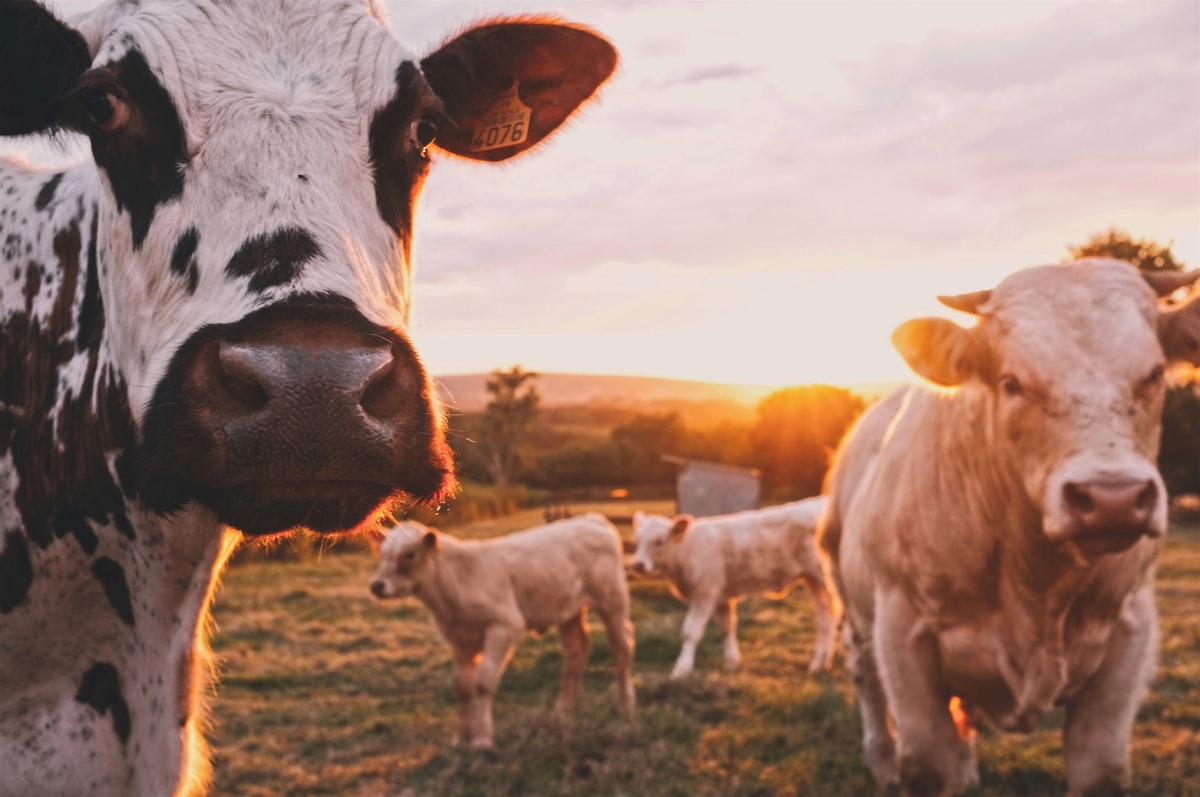
Each cow is managed as an individual. A wearable reads temperature, heart rate, activity, and rumination, and the data flags illness early. Estrus detection marks the breeding window so conception is more reliable. The milking unit follows that cow's yield pattern, which protects the udder and keeps yield up. The ration is set to lactation stage, weight, and health, and is delivered to that animal. The barn adjusts temperature, humidity, ventilation, and light so the environment stays in the range the herd needs.
Physiological readings around the clock, with an AI disease alert. Mortality falls 30%.
The estrus window is caught more reliably. Conception rises 25%.
The unit follows the cow and protects the udder. Yield rises 15%.
A ration written for that cow raises feed utilization 20% and cuts what is wasted.
From piglet to market, with a clearer finish rate
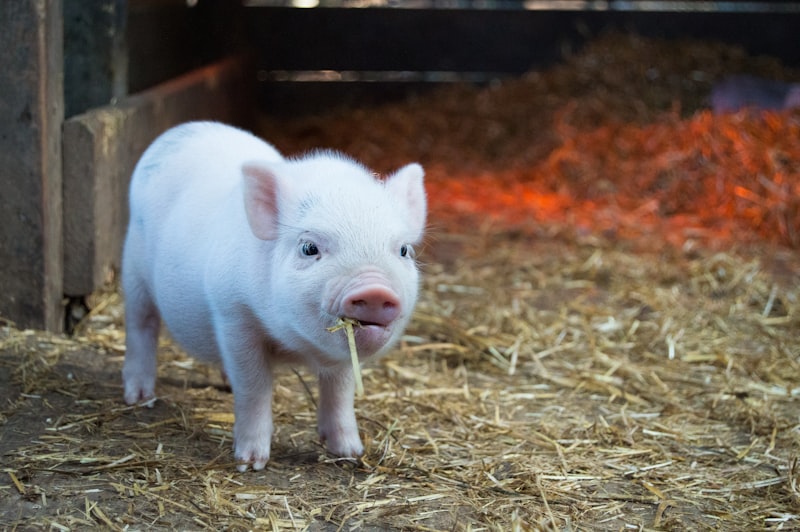
The record runs from piglet to slaughter. Climate control sets temperature, humidity, ventilation, and ammonia to the growth stage. Scales follow each animal's gain and flag the ones falling behind. Feed formulation and the amount delivered follow stage and weight. Infrared imaging and sound analysis pick up disease early enough to treat it. Pedigree, vaccination, and medication stay on the animal's file for traceability and quality control.
Temperature, humidity, and ventilation follow the stage. Growth rate rises 18%, and time to market shortens.
Gain is watched as it happens, and animals off the curve are caught. Finish rate rises 12%.
Formulation and delivery are automatic. The feed-to-gain ratio falls 15%.
AI reads the health data and warns early. Mortality falls 40%.
Light, climate, and egg records for layers and meat birds
The house is set up for chickens, ducks, and geese. Lighting follows a natural cycle, with duration and intensity set separately for layers and broilers. Temperature, humidity, ammonia, and carbon dioxide are watched, and ventilation, cooling, or heat starts when they leave the range. Feed and water are supplied as needed, which cuts waste and soiling. Egg count and egg weight are logged so the laying pattern is visible. Video plus image recognition flags dead or culled birds so disease is handled before it spreads through the house.
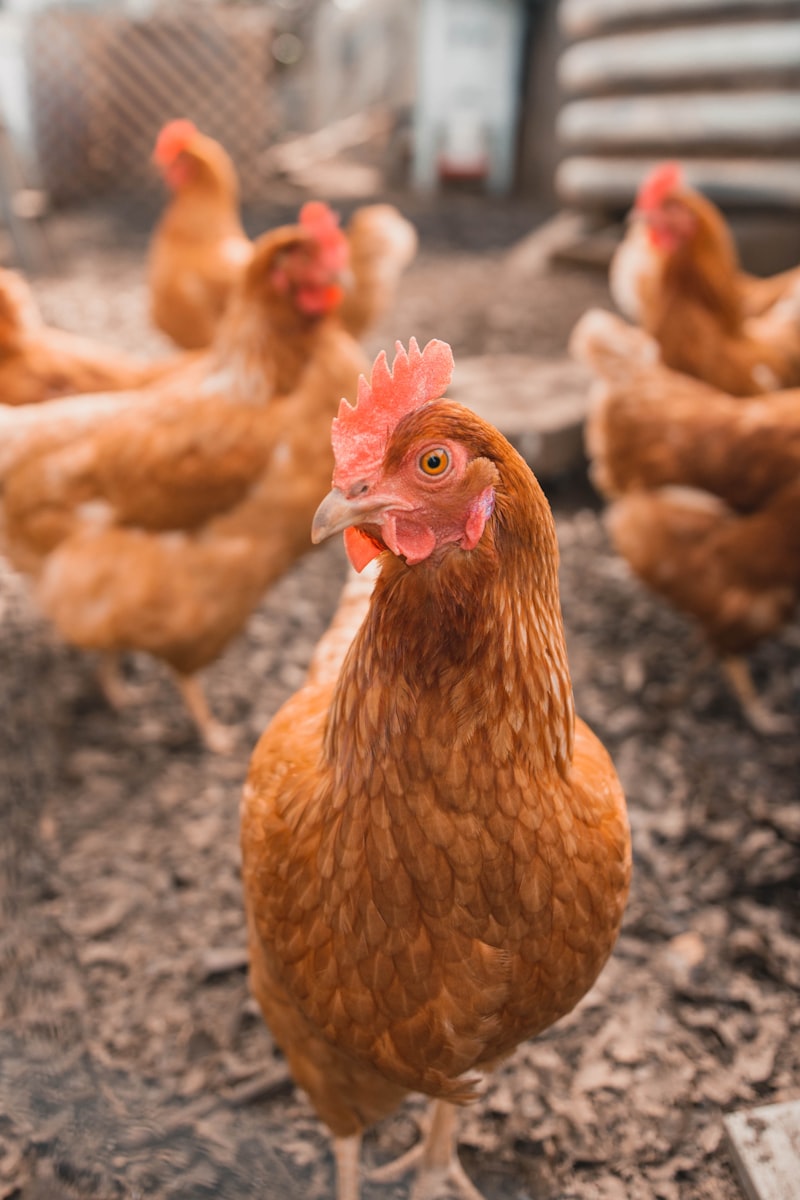
Cycle and intensity are set on purpose. Lay rate rises 20%, and egg quality improves.
Several readings drive ventilation and cooling. Mortality and culling fall 35%.
Supply follows demand, so less is wasted.
Image recognition flags dead or culled birds so an outbreak is handled sooner.
Grazing and housed flocks, managed as individuals
The same system covers pasture and housed sheep. A GPS collar tracks each animal, and a virtual fence keeps the flock out of the wrong ground, which is what makes a large grazing block workable. Sensors record temperature and activity and flag a sick animal or one about to lamb. A weigh race records weight as sheep pass, so the growth curve and the feeding result are visible. Groups can be split by age, weight, and reproductive state. Mating, pregnancy, and lambing stay on a breeding plan. In the shed, temperature, humidity, ventilation, and light are adjusted automatically.
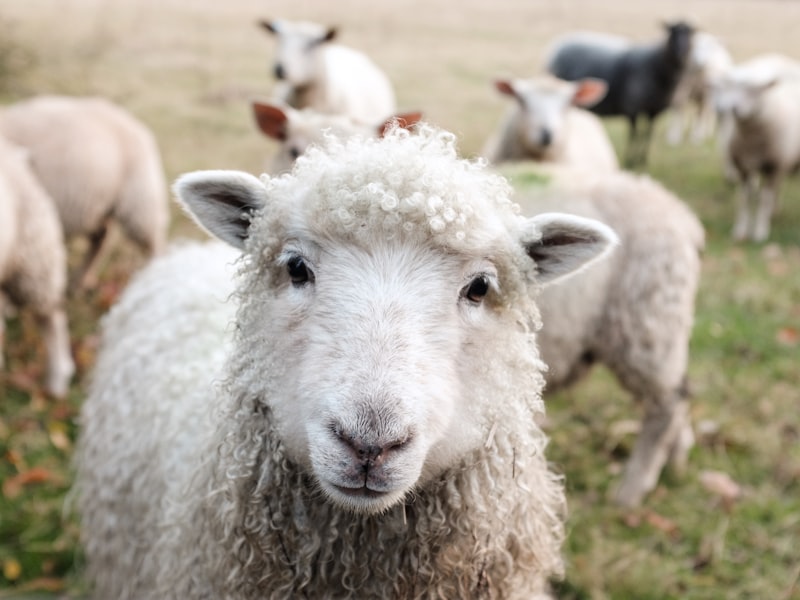
The flock's position is known, and the fence keeps animals from straying.
An RFID ear tag identifies the sheep and holds its health file.
Mating and lambing are logged, and the plan can be tightened. Lambing rate rises 22%.
Weight is taken as sheep pass, and the growth curve informs the ration.
Farms that have put the record on a digital footing
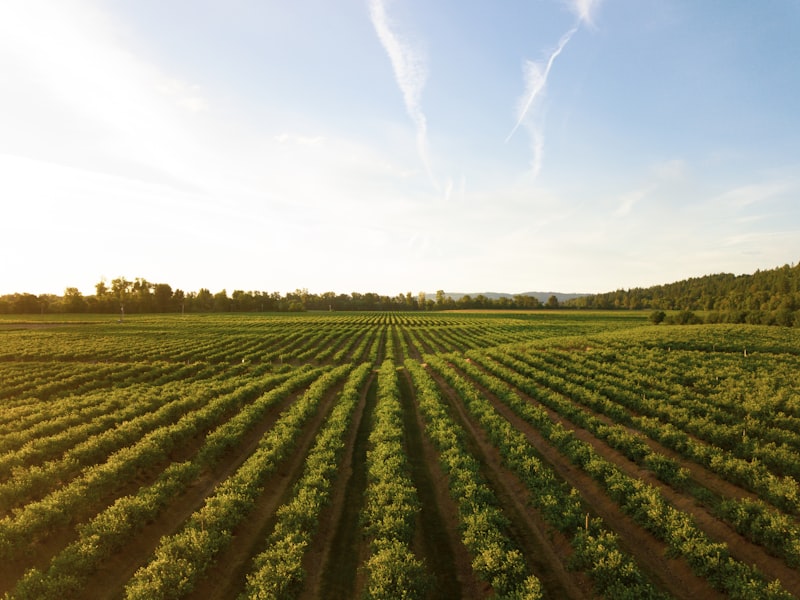
Scale: 5,000 dairy cows
Health monitoring, estrus detection, and milk totals now sit in one system, and both throughput and the economics of the herd improved.
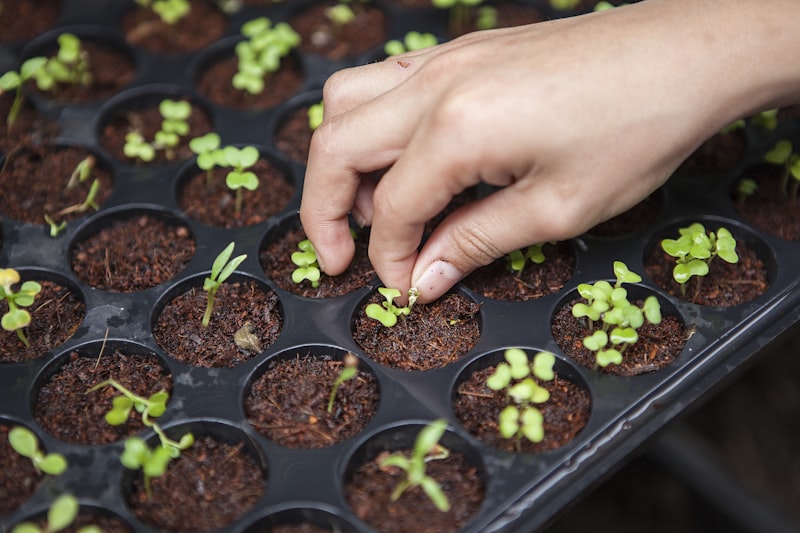
Scale: 100,000 head finished a year
Climate control, precision feeding, and health monitoring are on one system, and both throughput and margin moved.
A fixed sequence so the site actually goes live
Walk the farm, and write down the operation and the technical constraints
A technical design and a delivery plan
Sensors, controllers, and the network
Platform setup, data connections, and a functional test
Train the people who will run it, then put the system into daily use
Ongoing technical support and maintenance
How the technology is built, and where farms use it
Ask the team for a plan that fits the species, the barns, and the scale
Free Consultation