IoT SIM cards and international IoT SIM cards, set up for the industry and the job the devices do
Each industry gets an IoT setup drawn from work already done in that field
City operations that run more smoothly, with a better day-to-day for residents
View detailsConnect and manage industrial equipment, raise output, and cut running cost
View detailsIoT for precise farming, higher yield and quality, and farming that can continue
View detailsIoT ties the city's systems together so they can be managed and run in step, and city services can improve.
Real-time traffic monitoring, intelligent signal control, parking management, public transportation optimization
Air quality monitoring, noise detection, water quality monitoring, meteorological data collection
Video surveillance, facial recognition, emergency response, fire safety management
Smart grids, streetlight control, building energy consumption monitoring, new energy integration

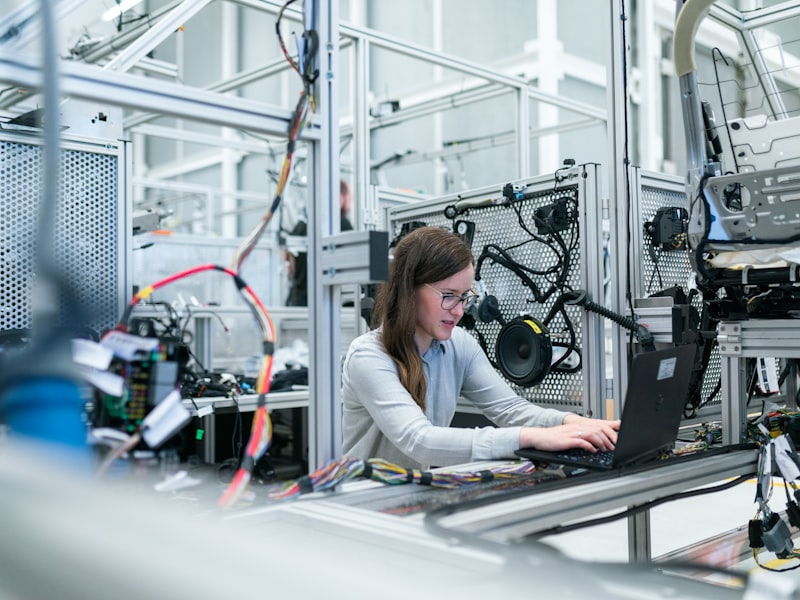
Industrial equipment, production lines, and management systems are connected for smart manufacturing and an Industry 4.0 shift, with higher output and better product quality.
Real-time monitoring of equipment operation status, performance parameters, and fault diagnosis
Predict equipment failures based on data analysis and optimize maintenance plans
Production process monitoring, quality control, efficiency improvement, cost reduction
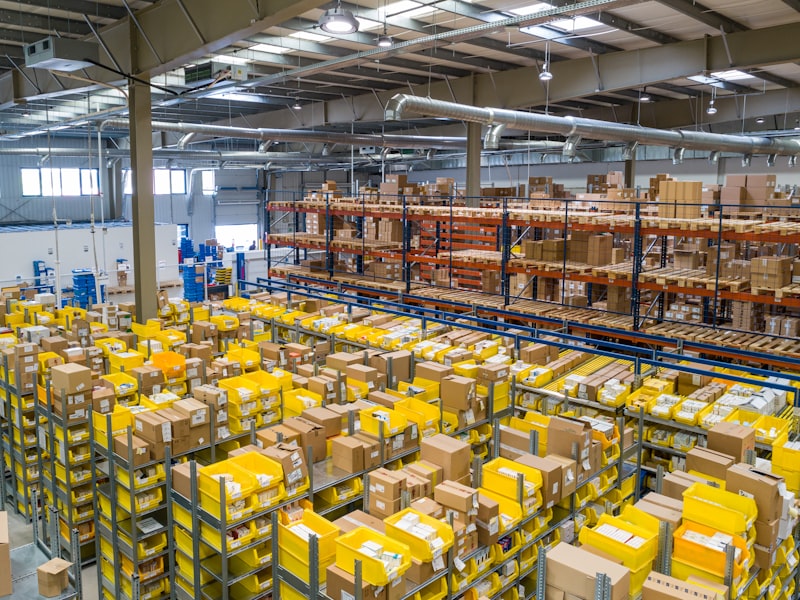
Automated warehouse management, inventory optimization, material tracking
Modern IoT and precision farming, so production can be managed field by field, with higher yield and quality, and farming that can continue.
Real-time monitoring of soil temperature and moisture, air quality, light intensity, and meteorological parameters
Automatically irrigates according to crop needs, saves water and increases efficiency, and applies fertilizers precisely
AI identifies pests and diseases, provides early warning, enables scientific prevention, and reduces pesticide use
Predicts yield based on big data analysis and optimizes planting decisions
Care is organized around the patient: faster service, better quality, and a clearer visit, as hospital operations move onto connected systems.
Real-time monitoring of patients' vital signs, remote diagnosis and treatment, timely warning and intervention
Equipment asset tracking, maintenance management, usage rate analysis and optimization
Patient data is collected and analyzed, and used to support diagnostic decisions
Real-time alerts for abnormal situations, emergency response, ensuring medical safety
A home that is comfortable, safe, and uses less energy, with devices linked and controlled over IoT.
Automatic adjustment of temperature, humidity, lighting, and air quality for a comfortable and livable environment
Door and window monitoring, video surveillance, intrusion detection, fire warning
Power monitoring, smart sockets, an energy-saving mode, and bill analysis
Voice assistant, linked scenes, remote control, and settings for each home
IoT, big data, and artificial intelligence reshape the logistics flow: cargo is visible the whole way, dispatch and warehouses are coordinated, cost drops, and delivery moves faster.
GPS positioning, route playback, status monitoring, and exception alerts
AI picks the route, cuts empty runs, and lowers fuel cost
Inventory visualization, automatic stocktaking, in-and-out warehouse management, storage location optimization
Order assignment, vehicle scheduling, courier management, and delivery times that hold
What changed after these customers deployed the solutions
Industrial IoT
By deploying our industrial IoT solutions, the company achieved a 40% reduction in equipment failure rates, a 25% increase in production efficiency, and annual cost savings of over 5 million yuan.
Smart agriculture
Through intelligent agricultural solutions, precise irrigation and fertilization were achieved, crop yields increased by 30%, water use efficiency improved by 45%, and pesticide usage decreased by 35%.
Smart city
Deploying smart city solutions in a pilot city resulted in a 20% reduction in traffic congestion time, 95% coverage of air quality monitoring, and a significant improvement in citizen satisfaction.
The steps we follow so the solution can go live
We go through the business requirement, look at how things run today, and draft the solution
From that analysis, we write the technical design and the rollout plan
A prototype checks whether the design works
Hardware goes in, and the software is installed and configured, following the plan
We test the functions, tune performance, and check that the system stays up
Training and technical support so the customer can run it
Talk to a solutions specialist for advice shaped around the project
Free consultation