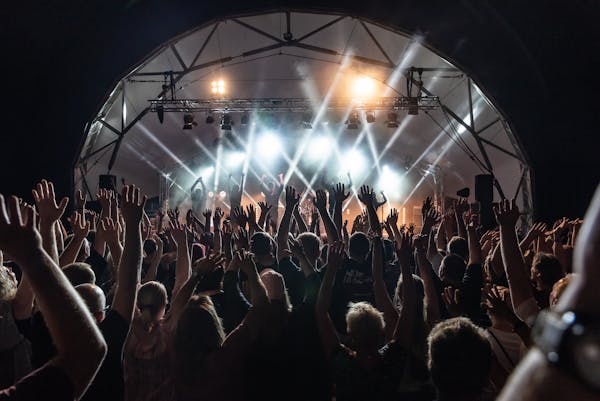
Smart theater overview
Built on the Internet of Things, big data, and a cloud platform, this solution digitizes a theater from the box office and the doors through the performance and the technical equipment. Networked turnstiles, QR and face entry, audience-flow monitoring, centralized lighting and sound, and digital show services get people in faster, keep the house safer, and make the rig easier to run, so the evening is simpler and more comfortable.
Live performance is growing, and theaters, concert halls, and arts centers are opening quickly. Many houses still queue at the doors, run equipment from separate desks, struggle to maintain it, and lack the data to see what happened. The solution covers ticketing, entry, the performance, and the equipment. It connects to ticketing platforms so turnstiles redeem QR codes, faces, and ID cards, and send each scan back as it happens. Turnstile counts, heat maps, and density analysis show how the house is filling, which supports evacuation and day-to-day decisions. Lighting, sound, large screens, and the house curtain sit on one control layer, with scene presets, one-touch changes, and fault alerts. Show services add a digital program, live voting, and an in-house stream. It fits grand theaters, concert halls, performing-arts centers, multipurpose halls, and cultural centers.
Safety and compliance
The Guidelines on Epidemic Prevention and Control Measures for Reopening Theaters and Other Performance Venues set requirements for crowd density and safe evacuation. Culture and tourism authorities also set clear rules on venue capacity, fire protection, and security. A smart theater has to cover three points. Audience flow — know how many people are in the house, alarm when it is over capacity, and support evacuation direction. Fire interlock — on a fire signal, turnstiles stay open and emergency lighting comes on. Records — ticket scans and audience-flow data stay traceable for culture and tourism supervision and for emergency management.
Typical houses
Large theaters (1,000+ seats): Turnstiles on several doors share one validation service, and peak entry time can fall by 50%. Lighting and sound change with one scene recall. Audience-flow heat maps support evacuation planning and later operations review.
Multipurpose halls and cultural centers: The same room may host a show, an exhibition, or a class, so equipment control has to flex. Links to booking and membership systems help the hall stay busier.