Site placement, self-checkout collections, computer vision, and supply chain integration for unattended retail
The unmanned convenience store solution is built for unattended-retail operators, franchisees, and supply-chain companies. Over IoT and artificial intelligence, it connects the store and runs it without staff on the floor. A shopper scans to open the door, computer vision or RFID records what is taken, and checkout happens on the way out—a take-it-and-go trip. The store can stay open 24 hours, with no attendant, and with a lower labor cost.
A 4G or 5G cellular link covers site placement (neighborhood and office locations, franchise growth, and revenue-share settlement), self-checkout collections (scan-to-enter, vision or RFID settlement, payment reconciliation, and memberships), computer vision and loss prevention (recognizing what is taken, settling the goods, and watching for theft), and supply chain integration (restock reminders, inventory, and supplier connections). Each store uses 200 MB–1 GB a month. Vision data, camera video, and reconciliation push usage above a single vending machine. Franchise revenue share and a link into the supply-chain system close the loop from the shelf to settlement.
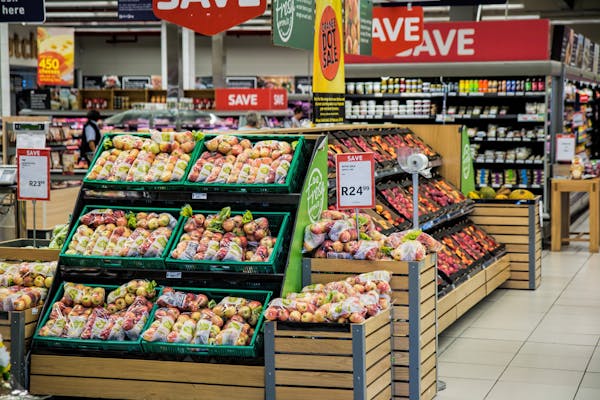
An unmanned convenience store uses computer vision or RFID so a shopper can take goods and leave. With vision, the clip of the handoff is uploaded for recognition in the cloud, about 0.5–2 MB each time. RFID sends much less. Loss-prevention video, reconciliation, inventory reports, and restock work orders all need a link that stays up. Each store uses 200 MB–1 GB a month, and vision accounts for the largest share. Stores often have Wi-Fi, but bandwidth and stability vary. 4G or 5G can be the primary link or the backup, so the store keeps trading if Wi-Fi drops.
The Ministry of Commerce encourages unattended retail, and it also requires consumer rights to be protected and food safety to be traceable. Vision data touches personal privacy and has to follow the Personal Information Protection Law. Recognize on site and check in the cloud, so raw footage does not have to travel. SimtoLink supplies high-volume 4G and 5G plans and a data pool, with APIs into an unattended-retail platform, ERP, and the payment system.
A new store should use 4G or 5G as the primary link and Wi-Fi as backup. A store already open can add a 4G or 5G module so Wi-Fi is no longer the only path. Size the vision design against the bandwidth it will use. Edge computing with a cloud check cuts how much data leaves the store. Before connecting the supply chain and the franchise system, confirm restock rules, the revenue-share ratio, and the reconciliation cycle. Connectivity costs about RMB 20–50 per store per month. A data pool brings that cost down across many stores.
The operating chain for an unmanned convenience store
Neighborhood and office locations, franchise growth, and revenue-share settlement. Sites can be managed by region or by franchisee, so placement decisions rest on the numbers.
Scan to enter, self-checkout, payment reconciliation, and memberships. WeChat and Alipay are aggregated. Transactions upload as they happen, and revenue is split at settlement.
Recognizing what is taken, settling the goods, and watching for theft. Computer vision and RFID are both supported, so a shopper can take goods and leave.
Restock reminders, inventory, and supplier connections. The store can tie into ERP and a warehouse system for restock work orders and inventory alerts.
At a community gate or under an apartment block, open 24 hours for everyday needs
Office lobbies and industrial parks, where weekday demand is steady
Convenience stores at gas stations and on highway service areas
Hospital waiting rooms and campuses, closed sites with a captive flow of people
Each unmanned convenience store uses 200 MB–1 GB a month, spent mainly on vision data, reconciliation, camera video, and inventory reports. SimtoLink supplies 4G and 5G IoT SIMs, a data pool, and APIs into the unattended-retail platform. Stores often have Wi-Fi, but vision and cameras need more bandwidth than a typical shop network can promise, so 4G or 5G can be the primary link or the backup. The same connection can reach a device management platform, ERP, and a payment clearing system, from the item taken off the shelf through to the books.
High-bandwidth, highly reliable IoT connectivity across unattended retail