Smart Food Solution

A digital record through the food chain: where it came from, where it went, and which lot is at fault

Solution Overview

The smart food solution is built on IoT, blockchain, and big data. It covers farm production, processing, storage and distribution, and sale. Environmental sensors and cameras record how food is grown. Processing watches the critical control points. Distribution tracks location and temperature and humidity. Data for the life of the product is collected automatically and stored so it can be trusted. Regulators see the food-safety picture. Companies run a tighter operation and a more credible brand. Buyers can look up origin and quality.

Traceability through the chain
Quality monitoring
Risk warnings
Records on a blockchain
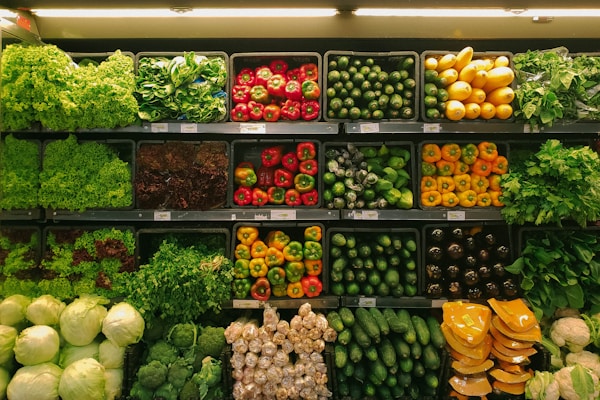
Smart food traceability from field to table

Core Functions

Control across the food supply chain

Origin traceability

Soil, climate, and pesticide and fertilizer use at the growing site are recorded, along with video of field work, and tied to an origin QR code. Each lot has a digital identity.

Processing

Temperature, time, and hygiene at critical control points are watched against HACCP. Workshop video records the run, and an abnormal reading raises an alarm.

Cold-chain transport

Temperature and location are recorded for the trip. A temperature excursion alarms on its own. Each handover is confirmed by a scan, and every batch gets a cold-chain record so a break in the chain is visible.

What the buyer can see

A QR code on the pack shows growing or breeding, processing, testing, and distribution. Buyers trust the brand more, and the brand can hold a higher price.

Risk warning and recall

A food-safety model warns when test data looks wrong. If an incident happens, the batch and the reach of it can be found quickly, and the recall can be limited to what is actually affected.

Regulatory reporting

The system connects to the food-safety platform of the market regulator. Companies report as data is produced. Inspectors can review remotely, supervision costs fall, and supervision is more effective.

Use Cases

Catering

Where ingredients came from, and hygiene in the kitchen

Supermarkets

Where fresh food came from, and how it is kept

Food processors

HACCP compliance and quality control on the line

School canteens

Campus food safety, so students and staff stay well

What changes in the chain

100%
Food sources that can be traced
80%
Shorter incident response
50%
Lower compliance cost
30%
Higher brand price

Related Resources

Trace food from the field to the table

The team will shape the design around the chain you already run