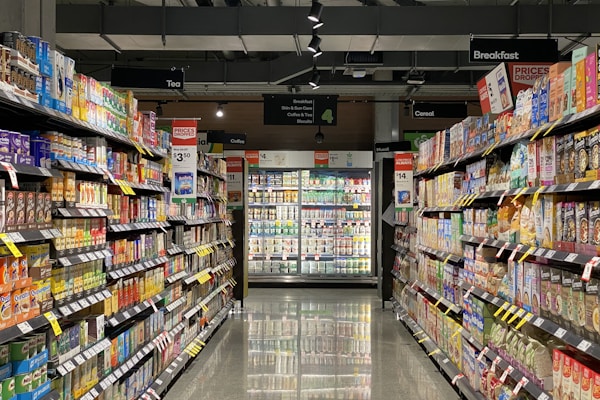
Smart supermarket overview
Built on the Internet of Things, big data, and artificial intelligence, this solution digitizes supermarkets and fresh-food stores from the sales floor through the supply chain. Electronic shelf labels, self-checkout, smart shelves, inventory management, and member marketing make price changes faster, checkout simpler, stock more accurate, and promotions more precise, so stores run better and shoppers have a smoother visit.
Retailers are dealing with higher labor costs, sharp price competition, and heavy inventory loss. Paper labels are swapped often and easily go wrong, checkout queues spoil the visit, and stock counts take too long and still miss the mark. The solution is built around electronic shelf labels (ESL): batch price changes, promotion sync, and out-of-stock alerts raise price-change efficiency by more than 90%. Self-checkout, scan-and-go, and frictionless payment shorten queues and speed checkout. Smart shelves, weight sensors, and computer vision keep inventory current and flag replenishment. Member records and purchase history support targeted marketing and owned-channel operations. It fits hypermarkets, fresh-food supermarkets, neighborhood stores, and convenience stores, and connects to ERP, supply-chain, and payment systems.
Industry pain points
- Paper labels: a large supermarket changes prices hundreds of times a day, and swapping them by hand is slow and error-prone.
- Checkout bottleneck: peak-hour queues hurt the visit, and staffed checkout costs 3%–5% of revenue.
- Inaccurate stock: counts take too long, shrink is hard to trace, and fresh-food loss commonly runs 5%–10%.
Solution benefits
- Electronic shelf labels: price-change efficiency up by more than 90%, and mismatched shelf prices stop
- Self-checkout: checkout throughput up 50%, labor cost down 20%–30%
- Smart inventory: live sensing and replenishment alerts, with loss rates cut by 2%–3%
Deployment notes
Start electronic shelf labels on high-change categories such as fresh food and promotions, then extend them storewide. Place gateways around the shelf layout and radio coverage so aisles are not left in dead zones. Run self-checkout beside staffed lanes until shoppers are used to it. Connect the system to the existing ERP, supply chain, and payment stack so item master data, stock, and prices stay in sync.